



The 47 Exclusive Benefits
of LyreJet™
The 47 benefits presented on this page illustrate everything that LyreJet's revolutionary interdental cleaning technology can contribute to both your oral health and your overall health.
The results presented below are based on more than thirty years of clinical observation, everyday use, and an extensive body of international scientific literature.
7 benefits directly improve the health of your teeth and gums.
But even more remarkably...
40+ additional benefits contribute to your overall health.
THE 7 BENEFITS OF LYREJET™ FOR YOUR ORAL HEALTH
It All Begins Between Your Teeth
The seven benefits presented below are all based on the same principle: the effective removal of bacterial plaque from the interdental spaces, where a toothbrush simply cannot reach.
Benefit No. 1
With LyreJet™, you prevent 99% of interdental cavities through primary prevention
This is an unprecedented and historic breakthrough in the prevention of interdental cavities
Interdental cavities are the most common... and often the most destructive
Animation: Hidden between the teeth, interdental cavities often remain invisible and relatively painless for a long time, yet the damage is always significant.
● How Tooth Decay Develops
Dental caries result from acids released by bacterial plaque. These acids progressively create cavities through the enamel and dentin until they eventually reach the dental pulp and its blood vessels.
● Twin Cavities
Between adjacent teeth, dental caries frequently develop face to face, simultaneously affecting both teeth. These are known as twin cavities. See the animation above.
● Dental Caries: True Infectious Reservoirs
Beyond the damage they cause to the teeth themselves, dental caries are true chronic infectious reservoirs in which bacteria proliferate. As you will discover in the following section on focal infections, their effects extend far beyond the oral cavity.
● Primary and Secondary Prevention
Primary prevention encompasses all the measures implemented to prevent the onset of oral diseases, such as dental caries and gingivitis. Its purpose is to preserve oral health over the long term by acting before problems develop.
Secondary prevention refers to all the preventive measures implemented after treatment to prevent new problems from recurring.
Penetration of oral bacteria into the bloodstream through dental caries. Animation.
Benefit No. 2
With LyreJet™, you prevent the formation of 192 interdental carious lesions, each of which may become a gateway to potentially serious systemic diseases.
By protecting your teeth, LyreJet™ helps protect your overall health against more than 40 potential focal infections.
With LyreJet™, prevention is no longer an option.
● Interdental Cavities Serve As Significant Gateways For Various Focal Infectious
Dental caries are far from harmless to overall health. Every interdental cavity constitutes a potential gateway for bacteria.
Definition – "Infectious Gateway":
An anatomical lesion or disruption that allows microorganisms to cross the body's natural barriers and penetrate deep tissues or the bloodstream.
● 192 Potential Infectious Gateways Between the Teeth
Among our 32 teeth, caries may develop on the proximal surfaces at three different levels, potentially creating 192 infectious gateways:
● How Can Bacteria Reach the Bloodstream?
The first possible pathway leading to focal infections is intraradicular bacterial dissemination, that is, bacterial migration through the interior of the tooth.
After penetrating the enamel, bacteria continue to progress through the dentin until they eventually reach the dental pulp and its blood vessels.
From there, bacteria may enter the systemic bloodstream and be transported to distant organs. This process is known as bacterial translocation, and it may lead to more or less severe systemic diseases, sometimes even life-threatening: focal infections.
● Why Is Systematic Interdental Hygiene Essential?
The probability that bacteria may enter the bloodstream through the interior of the tooth is therefore significant.
This explains the importance of maintaining systematic and comprehensive interdental hygiene. This is precisely what LyreJet™ provides.
Benefit No. 3
With LyreJet™, you prevent up to 99% of Interdental Periodontal Diseases, the Leading Cause of Gum Recession, Tooth Mobility and Tooth Loss
This represents another major and historic breakthrough in the prevention of periodontal diseases.
Animation. LyreJet prevents periodontal diseases and their destructive progression
Periodontal Diseases: A Major Cause of Tooth Loss and Focal Infections
● How Do Periodontal Diseases Develop?
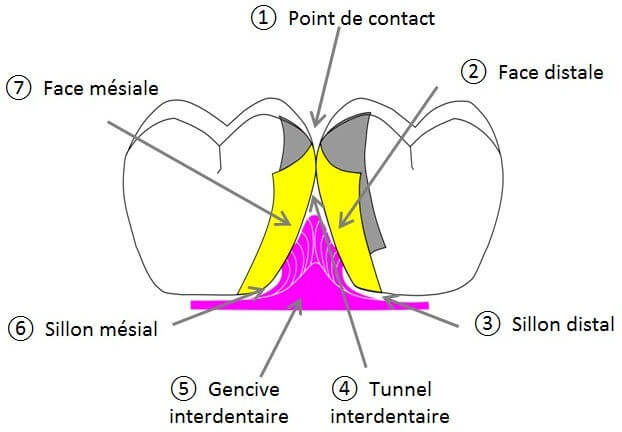
The chemical and toxic activity of the interdental bacterial biofilm, together with dental calculus, causes gingivitis and a loss of integrity of the gingival sulci ③&⑥.
Oral bacteria can then progressively "leak" deep beneath the gums, leading to chronic periodontitis.
● Why Do Periodontal Diseases Lead to Tooth Loss?
Chronic periodontitis causes the progressive destruction of the periodontium, that is, all the tissues supporting the teeth: the periodontal ligaments, cementum and alveolar bone.
Following gingival recession, tooth mobility and other complications such as abscesses, the teeth eventually fall out.
Today, periodontal diseases are the leading cause of tooth loss in adults.
● Periodontal Diseases Are Also a Major Cause of Focal Infections
By ensuring systematic and comprehensive interdental hygiene, LyreJet™ not only helps prevent up to :
● 99.9% of interdental periodontal diseases, which represent the majority of periodontal diseases, but also:
● the second leading cause of focal infections of dental origin.
● Why Is Daily Interdental Hygiene Essential?
LyreJet™ provides exceptional protection against interdental periodontal diseases, thereby helping preserve your natural dentition over the long term.
Animation showing the passage of anaerobic bacteria from periodontal diseases into the bloodstream.
Benefit No. 4
Periodontal Diseases Are a Major Risk Factor for Overall Health
With LyreJet™, you prevent the formation of 64 infectious gateways around the tooth roots, helping protect both your teeth and your overall health against focal infections.
● 64 Periodontal Infectious Gateways Around the Tooth Roots
The role of the gingival sulci ③&⑥ is to seal the periodontium from the oral environment and prevent bacteria from passing beneath the gums. They constitute a true biological seal separating the oral cavity from the interior of the body.
● The Protective Role of the Gingival Sulci
Each tooth has two interdental gingival sulci ③&⑥, potentially representing 64 periodontal infectious gateways.
If bacterial biofilm accumulates within these sulci, this biological seal may be disrupted, allowing periodontal diseases to develop around the roots at the expense of the tooth-supporting tissues.
● How Do Bacteria Reach the Bloodstream? : The Periradicular Bacterial Migration
Anaerobic bacteria proliferating within periodontal pockets are particularly aggressive and are responsible for numerous focal infections when they "leak" into the bloodstream.
As in dental caries, bacterial translocation—that is, chronic bacterial dissemination through the periradicular blood vessels, located on the outside of the tooth—may once again give rise to serious distant diseases (focal infections) affecting overall health when the host's immune defenses are overwhelmed.
● Why Preserve the Periodontal Seal?
The likelihood of bacteria entering the bloodstream through the periphery of the tooth root becomes significant when oral hygiene is poor.
Maintaining the periodontal seal over the long term is therefore a major objective of oral disease prevention. This is precisely what LyreJet™ achieves through systematic and comprehensive interdental cleaning.
Benefit No. 5
With LyreJet™, you prevent Gingivitis and Strengthen Your Gums
● Why Does Gingivitis Develop Between the Teeth?
Acids and toxins released by dental plaque superficially attack the interdental gingiva ⑤, causing inflammation.
The interdental papilla swells, bleeds, and softens, resulting in a breakdown of the gingival seal around the gingival sulci ③&⑥. Imagine a new elastic band tightly wrapped around an object. Over time, as it softens, it progressively loses both its gripping force and its sealing ability.
An inflamed gingiva behaves in much the same way: as it loses its firmness, it allows bacteria to leak beneath the gums, no longer protecting the underlying tissues against the development of periodontal diseases.
● How Does LyreJet™ Strengthen the Gums?
By combining complete removal of the interdental bacterial biofilm with mechanical stimulation that promotes keratinization, LyreJet™ strengthens the gums, increases the pericoronal gingival seal, helps prevent gingivitis, and promotes long-term periodontal health.
With LyreJet™, the gums progressively regain their firmness, their sealing ability, and stop bleeding.
● How Does LyreJet™ Promote Keratinization of the Interdental Papillae?
The regular passage of the LyreJet™ floss, combined with the deep massage provided by its two bilateral pulsed water jets, naturally stimulates the gingival tissues.
Just as the skin of the hands or feet gradually thickens when exposed to repeated friction, the gums also respond to this mechanical stimulation.
This natural biological process, known as keratinization, progressively increases their resistance, firmness, and ability to protect the underlying tissues.
At the same time, the hydraulic massage stimulates the gingival chorion, promoting improved tissue tone and vascularization.
Consequently, LyreJet™ does not act solely as an interdental cleaning device. It also contributes to the progressive biological conditioning of the gingival tissues, allowing them to durably recover their natural role as a protective barrier.
Benefit No. 6
With LyreJet™, you prevent Tartar and Halitosis

● Where Does Tartar Come From?
Tartar results from the progressive calcification of dental plaque by the mineral salts naturally present in saliva.
Over time, tartar thickens through successive layers until it completely fills the interdental spaces. It eventually extends onto the lingual and buccal surfaces of the teeth.
What is visible on the exposed surfaces of the teeth is often only the visible part of tartar that initially began forming between the teeth.
● Harmful Effects of Tartar
Beyond causing bad breath (halitosis) and being aesthetically unpleasant, tartar is a major mechanical, chemical, and bacteriological irritant to the gums.
It is an important cofactor in the development of gingivitis and periodontal diseases.
Preventing its formation is essential for maintaining healthy teeth and gums.
By removing dental plaque on a regular basis, LyreJet™ prevents tartar from forming before it even has time to develop. LyreJet™ can also remove newly formed, lightly calcified tartar.
Without dental plaque, there is no tartar.
Benefit No. 7
With LyreJet™ you help Preserve the Balance of Your Oral Microbiota by Reducing the Bacterial Load
By removing the billions of bacteria that normally accumulate within the 30 interdental reservoirs, LyreJet™ helps stabilize your oral microbiota over the long term, allowing beneficial bacteria to naturally regain their place at the expense of aggressive bacteria.
● Why Is the Balance of the Oral Microbiota Essential?
The oral microbiota is the community of microorganisms that naturally live in the mouth.
When it is in balance, it helps protect the oral tissues. Conversely, when pathogenic bacteria become predominant, the risk of dental caries, gingivitis, and periodontal diseases increases.
By sustainably reducing the interdental bacterial load, LyreJet™ promotes the restoration of a healthy oral microbiota, helping maintain long-term oral health.
LyreJet ™ — Helping You Age in Better Health
When the interdental spaces are sustainably decontaminated, the benefits extend far beyond the mouth. Scientific research shows that they can also help preserve many essential functions of the human body.
This is what the following benefits demonstrate.
THE 40 BENEFITS OF LYREJET™ FOR YOUR OVERALL HEALTH
The Mouth Is Not Isolated from the Rest of the Body
The interdental spaces can become chronic bacterial reservoirs following the opening of one or more of the 256 potential carious or periodontal infectious gateways.
Preventing disease begins by controlling its bacterial origin.
With LyreJet™, you act at the source of more than 40 focal infections of oral and dental origin, opening up a new path to prevention for your overall health.
What Is a Focal Infection?
Discover 40 Diseases for Which LyreJet™ Plays a Fundamental Preventive Role
Bibliography
A single infected tooth may be enough to seriously affect your overall health.
What Is a Focal Infection of Oral Origin?
● Definition of a Focal Infection of Oral Origin
A focal infection is a disease caused at a distance by the dissemination of bacteria, toxins, or inflammatory mediators originating from one or more chronic infectious foci, such as dental caries or periodontal disease.
Depending on the organ affected, it may result in a localized or systemic disease, sometimes severe.
● The Main Infectious Gateways
The 256 potentially infectious interdental sites correspond to the opening of one of the 192 potential carious infectious gateways or one of the 64 potential periodontal infectious gateways described previously.
● How Do Bacteria Reach Distant Organs?
When pathogenic bacteria begin to leak chronically into the bloodstream, many organs—including vital organs—may potentially be affected.
To enter the bloodstream and subsequently reach distant organs, oral bacteria and viruses may use the intraradicular and periradicular pathways described previously, as well as the respiratory and digestive routes.
This process is known as bacterial translocation.
Focal infections may have outcomes ranging from mild to severe and, in some cases, may even be fatal.
Here Are 40 Diseases That May Have an Oral Origin and for Which LyreJet™ Opens a Major New Pathway for Prevention
This list is intentionally non-exhaustive and brings together the main categories of diseases for which the scientific literature describes an association with chronic oral infectious foci.
👄 ENT Disorders
❤️ Cardiovascular Disorders
This has long been recognized as one of the most critical risks. Oral bacteria (streptococci, staphylococci, Escherichia coli, etc.) have a particular affinity for the endocardium and atherosclerotic plaques.
- Infective Endocarditis : Bacterial colonization of native or prosthetic heart valves, or of the mural endocardium. This is a life-threatening medical emergency.
- Atherosclerosis and Coronary Artery Disease : Chronic periodontal inflammation promotes both the formation and rupture of atherosclerotic plaques, thereby increasing the risk of myocardial infarction.
- Ischemic Strokel : The risk of ischemic stroke is increased through mechanisms similar to those involved in atherosclerosis.
- Péricarditis / Myocarditis : Inflammation of the pericardium or the heart muscle (less common).
🧠 Neurological Disorders
Oral pathogens can migrate to the brain through the bloodstream or the venous circulation.
- Brain Abscess : A significant proportion of brain abscesses originate from an unrecognized dental source of infection.
- Purulent Meningitis
- Cavernous Sinus Thrombophlebitis : A severe complication of infections affecting the upper teeth, in which an infected blood clot obstructs a vein at the base of the brain.
- Alzheimer's Diseaser (Suspected Association) : Recent studies have reported a correlation between the presence of toxic enzymes (gingipains) produced by Porphyromonas gingivalis—the predominant bacterium associated with chronic periodontitis—and the brains of patients with Alzheimer's disease, suggesting a role in neuroinflammatory and neurodegenerative processes.
🩸 Metabolic and Endocrine Disorders
A proven bidirectional relationship exists, especially with diabetes.
- Worsening Glycemic Control (Type 1 and Type 2) : Dental infection increases insulin resistance, making blood glucose levels more difficult to control.
- Obésity : Systemic inflammatory links.
🫁 Respiratory Disorders
Anatomical proximity and the inhalation of oral pathogens play a major role.
- Aspiration Pneumonia : Aspiration of anaerobic periodontal bacteria.
- Lung Abscess : Formation of a pus-filled cavity within the lung.
- Exacerbation of Chronic Obstructive Pulmonary Disease (COPD) : Oral pathogens exacerbate bronchial inflammation.
- Pleural Empyema
🍽️ Digestive Disorders
- Helicobacter pylori Gastritis : Dental plaque can serve as a reservoir for Helicobacter pylori, promoting recurrent gastric infections.
- Hepatic Abscess
🤰 Gynecological and Obstetric Disorders
Periodontal infection during pregnancy releases inflammatory mediators (prostaglandins) that may trigger premature labor.
- Preterm Birth
- Fetal Growth Restriction (FGR) : Low birth weight resulting from intrauterine growth restriction (IUGR).
- Preeclampsia : Increased risk in women with severe periodontitis.
🦴 Musculoskeletal Disorders
Oral pathogens can colonize joints, particularly when they are prosthetic or already damaged.
- Prosthetic Joint Infection (Hip, Knee) : A major complication that often requires replacement of the prosthetic joint.
- Septic Arthritis : Direct infection of a joint.
- Hematogenous Osteomyelitis Bone infection resulting from hematogenous spread (vertebrae, long bones).
- Spondylodiscitis : Infection of the intervertebral disc and adjacent vertebrae.
🫘 Renal Disorders
Kidney involvement is often associated with immunological mechanisms.
- Acute or Chronic Glomerulonephritis : Inflammation of the kidneys caused by the deposition of antigen–antibody complexes originating from a dental focus of infection.
- Renal Abscess
👁️ Ophthalmological Disorders
- Uveitis : Inflammation of the uvea (iris and ciliary body).
- Recurrent Infectious Conjunctivitis
- Purulent Nasolacrimal Duct Infection
🌿 Dermatological Disorders
Some skin disorders are considered distant reactions to chronic infectious foci through allergic or inflammatory mechanisms.
- Alopecia Areata: Patchy hair loss.
- Chronic Eczema
- Chronic Urticaria
- Psoriasis (Exacerbation).
⚕️ General Health
- Sepsis / Septic Shock : Generalized bloodstream infection that may lead to multiorgan failure.
- Unexplained Persistent Fever : Often caused by a silent chronic dental focus of infection (apical granuloma).
Note: Pathogenic oral microorganisms originating from dental caries and/or periodontal diseases may first spread through the digestive or respiratory tract before eventually entering the bloodstream.
- The Esophageal Route : The esophageal route is the pathway through which virulent oral pathogens are first swallowed before entering the bloodstream (pyophagia), where they may subsequently disrupt the intestinal microbiota.
- The Airway Route: The airway route is the pathway through which oral pathogens are inhaled, potentially leading to respiratory infections such as aspiration pneumonia.
In summary, numerous vital organs may potentially be affected when pathogenic bacteria originating from dental caries and/or periodontal diseases chronically leak into the bloodstream.
Oral hygiene begins with toothbrushing and ends with LyreJet™